Endangered Animal Species and Conservation Efforts
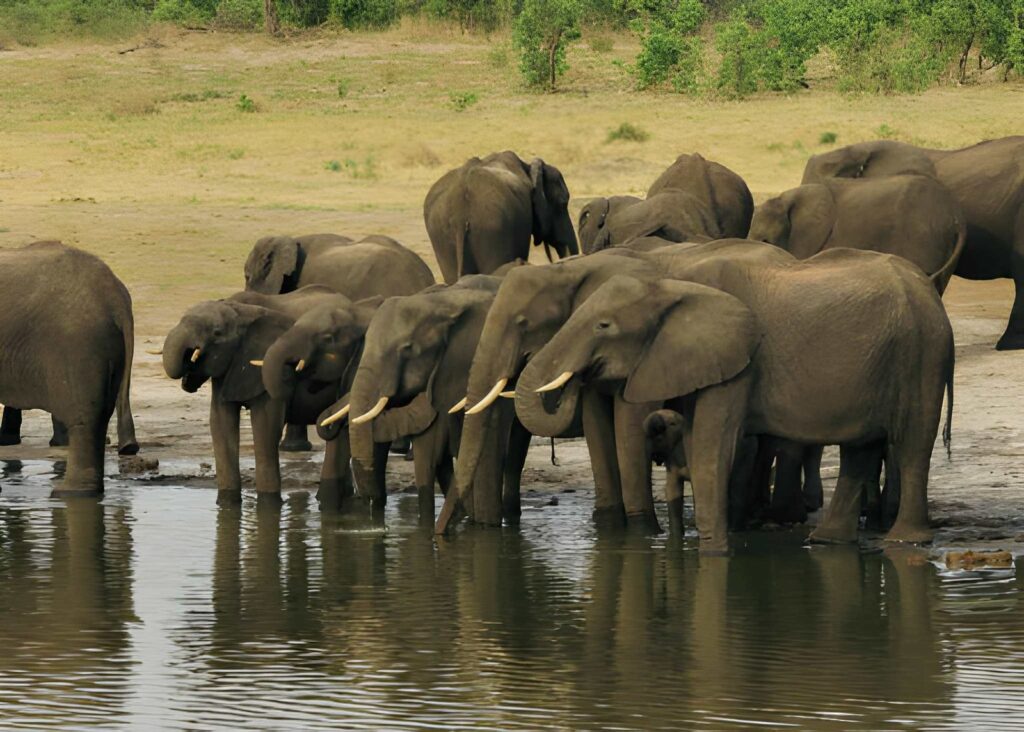
Endangered animal species are a powerful reminder that life on Earth is deeply connected and fragile. Across forests, oceans, grasslands, wetlands, and mountains, Hubet thousands of animals face the risk of extinction due to human activity and environmental change. From tigers and elephants to sea turtles and rhinos, endangered wildlife plays a vital role in maintaining healthy ecosystems. Protecting these species is not only about saving individual animals; it is about preserving biodiversity, supporting natural balance, and ensuring a sustainable future for all living beings.
What Are Endangered Animal Species?
Endangered animal species are animals that are at serious risk of disappearing from the wild. A species may become endangered when its population becomes very small, its habitat is destroyed, or threats such as hunting, pollution, or climate change make survival difficult.
The International Union for Conservation of Nature (IUCN) maintains the Red List of Threatened Species, which classifies animals based on their risk of extinction. Categories include vulnerable, endangered, critically endangered, extinct in the wild, and extinct. Species listed as endangered need urgent conservation action to prevent further decline.
Major Causes of Animal Endangerment
Many factors contribute to the decline of wildlife populations. In most cases, endangered animals face more than one threat at the same time.
Habitat Loss and Fragmentation
Habitat loss is one of the leading causes of endangered species decline. Forests are cleared for agriculture, cities expand into wild areas, wetlands are drained, and grasslands are converted into farmland. When animals lose their natural habitat, they struggle to find food, shelter, and breeding grounds.
Habitat fragmentation is also a major problem. Roads, farms, and buildings divide ecosystems into smaller sections, making it difficult for animals to migrate, find mates, and maintain healthy populations.
Illegal Wildlife Trade and Poaching
Poaching and illegal wildlife trade threaten many iconic endangered animals. Elephants are hunted for ivory, rhinos for their horns, pangolins for their scales, and tigers for their body parts. The illegal wildlife trade is a global problem driven by demand for exotic pets, traditional medicines, luxury items, and rare animal products.
Stronger law enforcement, international cooperation, and public awareness are essential to reduce wildlife crime.
Climate Change
Climate change is altering habitats around the world. Rising temperatures, changing rainfall patterns, melting ice, and extreme weather events affect animal survival. Polar bears, for example, depend on sea ice to hunt seals, but melting Arctic ice reduces their ability to find food. Coral reefs, home to countless marine species, are threatened by ocean warming and acidification.
As ecosystems shift, many animals cannot adapt quickly enough, putting them at greater risk of extinction.
Pollution and Human Disturbance
Pollution harms wildlife in many ways. Plastic waste can be swallowed by marine animals or entangle birds, turtles, and mammals. Chemical pollution can poison rivers and oceans, while pesticides can reduce insect populations that birds and other animals rely on for food.
Noise pollution, light pollution, and human disturbance also affect animal behavior, migration, feeding, and reproduction.
Examples of Endangered Animal Species
Many endangered animals are well known, while others receive less attention but are equally important.
Tigers
Tigers are among the most recognizable endangered species. Their populations have declined due to habitat loss, poaching, and conflict with humans. Conservation programs focus on protecting tiger habitats, preventing poaching, and creating wildlife corridors that allow tigers to move safely between protected areas.
African Elephants
African elephants are threatened by ivory poaching and habitat loss. These intelligent animals are essential for their ecosystems because they shape landscapes, disperse seeds, and create water access for other species. Conservation efforts include anti-poaching patrols, ivory trade bans, and community-based conservation programs.
Sea Turtles
Several sea turtle species are endangered due to plastic pollution, fishing nets, coastal development, and illegal egg collection. Conservation groups protect nesting beaches, reduce bycatch in fisheries, and educate communities about the importance of sea turtles in marine ecosystems.
Amur Leopards
The Amur leopard is one of the rarest big cats in the world. Found in parts of Russia and China, it is critically endangered due to habitat destruction and poaching. Protected areas and cross-border conservation efforts have helped stabilize its population, but it remains at high risk.
Orangutans
Orangutans live in the rainforests of Borneo and Sumatra. Their survival is threatened by deforestation, especially from palm oil plantations. Conservation efforts include rainforest protection, wildlife rescue centers, and sustainable palm oil initiatives.
Why Conservation Efforts Matter
Conservation efforts are essential for protecting endangered animal species and maintaining biodiversity. Every species has a role in its ecosystem. Predators help control prey populations, pollinators support plant reproduction, and herbivores influence vegetation growth. When one species disappears, the effects can spread throughout the entire ecosystem.
Biodiversity also benefits humans. Healthy ecosystems provide clean air, fresh water, fertile soil, food, medicine, and climate regulation. Protecting wildlife helps protect the natural systems that people depend on every day.
Key Conservation Strategies
Successful wildlife conservation requires cooperation between governments, scientists, local communities, nonprofit organizations, and individuals.
Protected Areas and Wildlife Reserves
National parks, marine protected areas, and wildlife reserves provide safe spaces where endangered animals can live and reproduce. These protected areas help preserve critical habitats and reduce threats from hunting, development, and resource extraction.
Anti-Poaching Programs
Anti-poaching patrols, wildlife monitoring, stricter penalties, and advanced technology such as drones and camera traps help protect endangered species from illegal hunting. Supporting rangers and local enforcement teams is a vital part of conservation.
Habitat Restoration
Restoring damaged ecosystems can help endangered animals recover. Reforestation, wetland restoration, coral reef protection, and river clean-up projects improve habitats and support wildlife populations.
Captive Breeding and Reintroduction
Some endangered species benefit from captive breeding programs in zoos and conservation centers. When populations become stable, animals may be reintroduced into the wild. These programs require careful planning to ensure animals can survive in their natural environment.
Community-Based Conservation
Local communities play a key role in protecting wildlife. Conservation is more successful when people benefit from protecting nature through eco-tourism, sustainable farming, education, and employment opportunities. When communities are involved, endangered species have a better chance of survival.
How Individuals Can Help Protect Endangered Species
Everyone can contribute to endangered species conservation. Simple actions include reducing plastic use, recycling, supporting sustainable products, avoiding illegal wildlife products, and choosing responsibly sourced seafood. Donating to reputable conservation organizations, volunteering, and spreading awareness can also make a difference.
Consumers can help by buying products that do not contribute to deforestation or habitat destruction. For example, choosing certified sustainable palm oil and wood products supports more responsible land use.
Conclusion
Endangered animal species face serious threats, but conservation efforts offer hope. Through habitat protection, anti-poaching action, climate solutions, scientific research, Rút tiền Hubet and community involvement, many species can recover. Protecting endangered wildlife is not only an environmental responsibility; it is a commitment to the future of our planet. By working together, humans can help ensure that tigers, elephants, sea turtles, orangutans, and countless other species continue to survive for generations to come.